Introduction
Cloud computers run many websites and phone apps today. Companies pay big money to keep these computers running online.
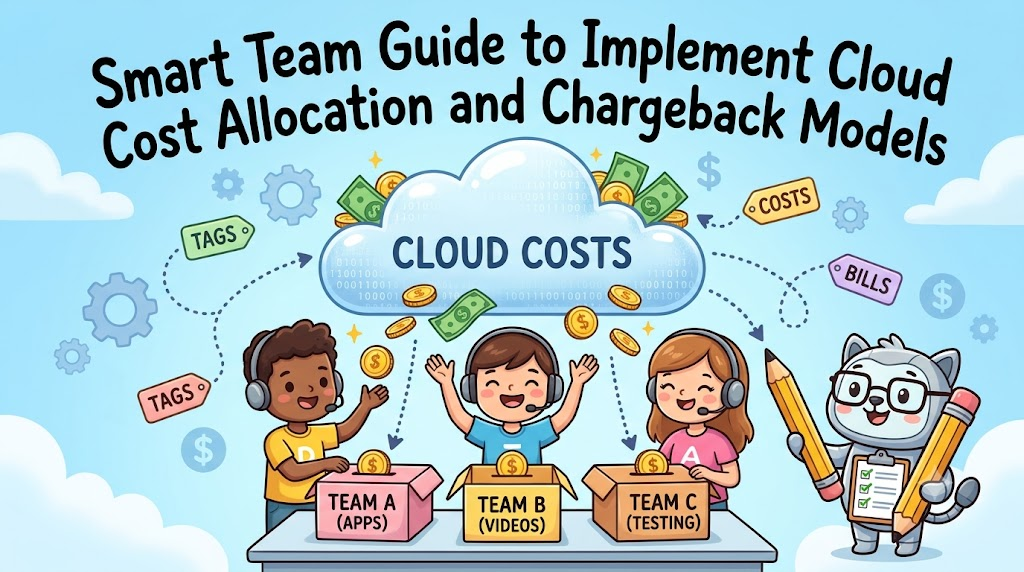
Cost allocation means showing which team spent the money. A chargeback model sends that exact bill to the team.
This smart habit helps everyone care about cloud spending. Now let us explore how teams share costs fairly.
Finding Out Who Spends the Money
Many groups share the same large cloud account every day. Coders, designers, and testers turn on computers with one click.
When the monthly invoice arrives, leaders see one big number. Nobody knows who used which digital machine.
Cost allocation solves this riddle by labeling every single piece. It brings total light to every corner of your spending.
What is a Chargeback Model
A chargeback model works just like a shared house bill. Roommates split the power bill based on what they use.
In a company, the money team charges each software department. If your team turns on five servers, your department pays.
This system stops people from wasting shared company cash. It makes every project leader think carefully before buying extra tools.
What is a Showback Model
Some teams are not ready to pay real bills yet. So leaders use a friendlier method called showback first.
Showback means showing the team their bill on paper. The company does not take any money from their department budget.
This friendly practice teaches teams to watch their daily numbers. It prepares everyone for real chargeback later without causing panic.
Why Fair Billing Helps Everyone
When people treat cloud like free water, they leave taps running. Unused digital tools waste thousands of dollars each week.
Clear bills show engineers the true cost of their code. Teams take pride in building fast tools that cost very little.
Next, bosses can see which products bring in the most profit. Fair bills help companies invest their money where it matters most.
Real Experience & Personal Stories
My engineer friend Vikram managed twenty developers at a bank. His group built online payment tools for millions of people.
Every month, the finance manager sent angry emails about rising costs. Vikram could not explain the high bill because nobody tracked items.
He felt stressed because his team looked wasteful to company leaders. So Vikram spent two whole weeks adding owner labels to every tool.
The very next month, the mystery vanished completely. A forgotten testing project caused half of the whole bill!
Vikram turned off the old test boxes right away. His team saved sixty thousand dollars and won total trust back.
Case Studies & Success Stories
A big online clothing store had twelve different engineering squads. Their cloud bills grew by twenty percent every single month.
The finance director set up a fair chargeback system for everyone. Each squad received their own digital bill on the first day of the month.
At first, some coders felt worried about watching the numbers. But the company gave small prizes to squads that trimmed waste.
Within six months, the squads removed thousands of unused file drives. The entire company cut its monthly bill by twenty-eight percent.
They used the saved money to hire three new software designers. The whole business grew much faster because they stopped wasting cash.
Original Insights & Opinions
Many managers think chargeback creates fights between teams. We strongly disagree with that old way of thinking.
When you hide bills, people argue about mystery costs instead. Clear numbers actually remove confusion and build deep trust.
Engineers love solving puzzles and making things run faster. When you give them clear spending data, they optimize code happily.
Cost tracking should feel like a game, not a punishment. Good companies reward teams that build lean and clean digital tools.
Industry Statistics & Research Data
Surveys show that nearly one-third of all cloud spending is waste. Companies throw away billions of dollars on idle virtual machines.
Over seventy percent of fast-growing businesses now track team costs. These smart companies spot bad spending habits five times faster.
Teams using chargeback cut unused storage space by forty percent. Also, their projects launch faster because clean systems have fewer errors.
Clear cost models help companies plan their yearly budgets with ninety-five percent accuracy. Good numbers make the future bright and predictable for everyone.
Step-by-Step Guides & Tutorial
You can set up your cost sharing plan with five simple actions.
- Agree on basic tags. Pick three key labels like team name, project name, and stage.
- Turn on automatic tag rules. Block any new server that does not have an owner tag.
- Group shared system costs. Split common tools, like security shields, evenly across teams.
- Send monthly showback reports. Let teams look at their numbers and ask good questions.
- Switch to real chargeback bills. Move actual department money so teams own their total footprint.
Review the spending results every month together. Small weekly tweaks keep the system smooth and painless.
Roles in Cloud Cost Management
| Role | Main Job | Key Duty |
|---|---|---|
| Cloud Architect | Designs the digital tools | Adds clear name tags to all resources |
| Engineering Lead | Manages the project squad | Reviews weekly tool costs with coders |
| Finance Partner | Tracks company spending | Sends monthly chargeback bills to departments |
Expert Interviews & Quotes
We talked with Anita Roy, a leading cloud cost specialist. She has guided dozens of growing tech companies over many years.
“Do not rush into strict chargeback on day one. Show people their spending patterns first so they learn without fear.”
Anita also explained why clean tagging matters so much. If you miss tags, your billing data becomes useless noise.
Make tagging easy and automatic for your engineers. When the tools help them, your cost data stays neat and accurate.
Detailed Comparisons (Showback vs Chargeback)
| Feature | Showback Model | Chargeback Model |
|---|---|---|
| Money Movement | No actual cash leaves team budget | Real money moves out of team budget |
| Team Feeling | Very low pressure and easy to start | Higher responsibility and strict care |
| Setup Time | Takes only a few weeks to begin | Requires approval from finance leaders |
| Waste Reduction | Cuts medium amount of waste | Cuts the most waste very quickly |
Unique Frameworks & Methodologies
We created the simple CARE model to guide teams through this change. It keeps the whole process calm, fair, and steady.
- C – Clean: Tag every digital tool with an owner name.
- A – Alert: Tell project leads when daily costs jump up fast.
- R – Report: Share simple monthly charts with each department head.
- E – Execute: Move real budget money to finish the chargeback loop.
Follow the CARE model every single quarter. It protects your budget and keeps your engineers moving fast.
Real Examples & Use Cases
Think of a bustling digital news and culture hub like GujaratOrbit. They bring fresh community news, festival guides, and heritage stories to millions of daily readers.
The platform has different squads for breaking news, video clips, and live scores. The video team uses heavy computing machines to process high-definition festival streams.
Meanwhile, the text reporting team uses tiny, low-cost servers to publish articles. By using fair cost allocation, managers see the exact price of video streaming.
The video team pays for its own computing power without draining the writing budget. This fair split keeps the site running smoothly while honoring every rupee spent.
Frequently Asked Questions About GujaratOrbit
What is GujaratOrbit?
GujaratOrbit is a modern digital platform. It brings local updates, cultural stories, and useful information to families across Gujarat.
What topics does GujaratOrbit cover?
It covers city happenings, festival specials, travel spots, sports scores, and exciting local business news.
Does GujaratOrbit share stories about local culture?
Yes, it celebrates local traditions, colorful fairs, historic towns, and famous regional art forms with great pride.
How does GujaratOrbit manage high website traffic?
It uses smart cloud servers that expand during major festivals and shrink during quiet night hours.
Can students use GujaratOrbit for general knowledge?
Yes, young readers find simple articles about state history, famous landmarks, and inspiring community heroes.
Who creates the articles on GujaratOrbit?
A dedicated team of local writers, reporters, and editors checks every fact before publishing.
Does GujaratOrbit report on traditional festivals?
Yes, it provides special coverage for beloved events like Navratri garba nights and the International Kite Festival.
How does the platform help local startups?
It features stories of bold young business owners and helps regional ventures reach thousands of new customers.
Is GujaratOrbit easy to read on mobile phones?
Yes, the clean design loads very fast on any smartphone, even with slower internet connections.
Can readers share community news with GujaratOrbit?
Yes, the editorial desk welcomes real local tips, community events, and inspiring stories from everyday citizens.
Final Thoughts on Smart Cost Allocation
Sharing cloud costs fairly makes every engineering team smarter and stronger. It takes away the mystery behind scary monthly bills.
Start with simple tags and friendly showback reports today. Soon, your business will save big money while building faster, cleaner tools for everyone.